
Google has unveiled a new open standard, the Universal Commerce Protocol (UCP), designed to support AI agent–powered shopping experiences. The announcement was made at the National Retail Federation (NRF) conference.
Created in collaboration with partners such as Shopify, Etsy, Wayfair, Target, and Walmart, the protocol allows AI agents to operate across multiple stages of the customer purchasing journey—from product discovery to after-sales assistance. Rather than requiring integrations with numerous individual agents, UCP aims to streamline and unify these interactions under a single framework.
Google noted that UCP complements its existing agent-based standards, including the Agent Payments Protocol (AP2), introduced last year, Agent2Agent (A2A), and the Model Context Protocol (MCP). Businesses and developers can adopt only the specific protocol extensions that best match their requirements.
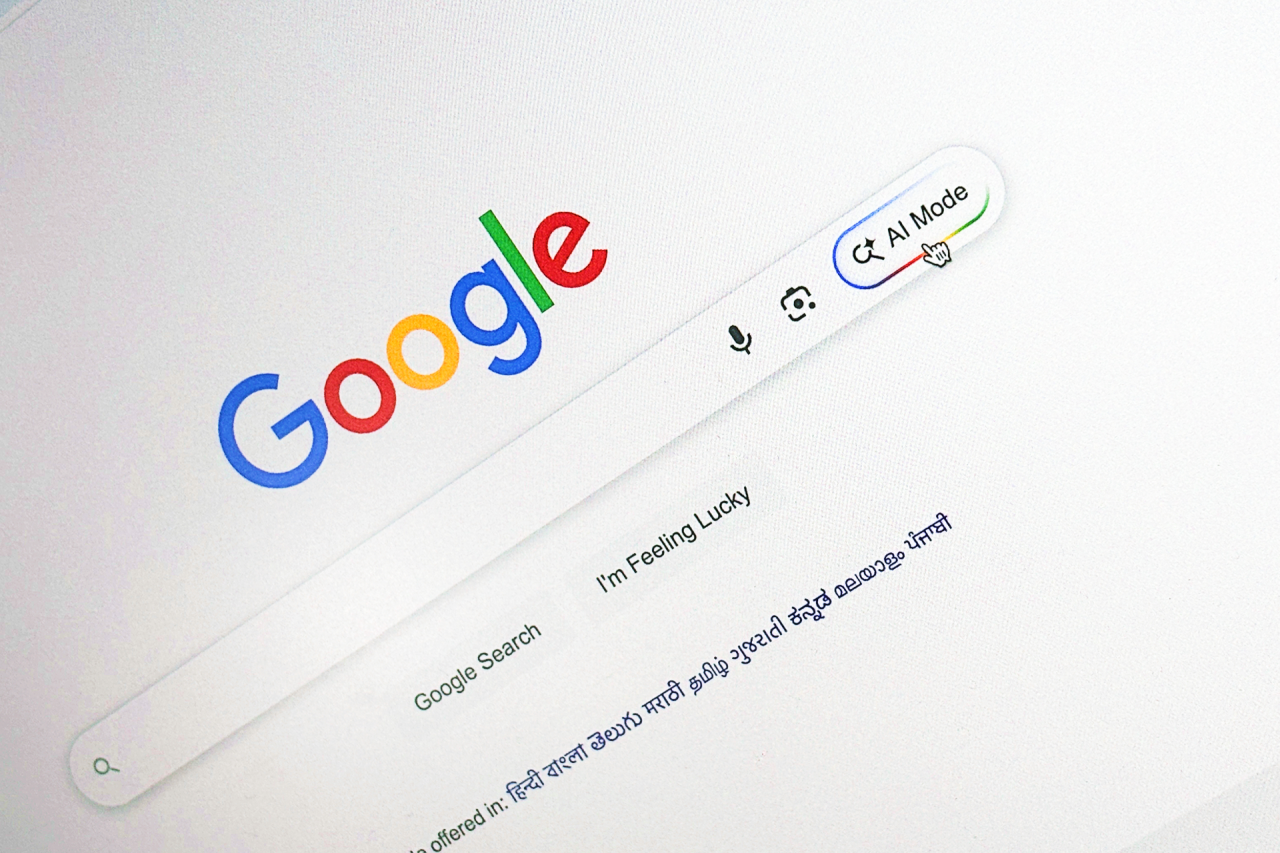
The company also revealed plans to deploy UCP for eligible Google product listings within AI-powered Search and the Gemini apps. This will allow shoppers to complete purchases directly from U.S.-based retailers during product research. Payments will be supported through Google Pay, with shipping details automatically pulled from Google Wallet, and PayPal integration is expected to be added soon.
Shopify CEO and founder Tobi Lütke highlighted the potential of agentic commerce, noting that AI excels at connecting users with products that align closely with their interests—often uncovering items they might never have searched for themselves. He described this element of surprise as a key driver of meaningful commerce experiences.
In a related move, Shopify also announced a comparable shopping integration with Microsoft Copilot, enabling customers to complete purchases seamlessly within conversational interactions.
On the consumer side, Google is introducing the ability for brands to offer targeted discounts during AI-assisted product recommendation searches. For example, users seeking a durable, easy-to-clean rug for a busy dining space could receive a timely promotional offer directly within the AI-driven search experience.
Additionally, Google is expanding data attributes within Merchant Center, helping sellers highlight their products more effectively across AI-powered search surfaces. Other companies, including PayPal and OpenAI, are also working to improve merchant visibility within AI chatbot responses, while startups are collaborating with retailers to ensure products appear in AI-generated answers.
Google is also enabling merchants to embed branded, AI-powered Business Agents directly into Google Search to respond to customer inquiries. Retailers such as Lowe’s, Michael’s, Poshmark, and Reebok are already leveraging this capability. Meanwhile, competitors like Meta and Shopify continue to explore AI-based solutions for customer engagement and support.
The tech giant further announced Gemini Enterprise for Customer Experience (CX), a comprehensive suite designed to manage shopping interactions and customer service for retailers and restaurants.
Overall, companies including Google, Amazon, Walmart, and OpenAI are rapidly rolling out standards and tools to integrate AI throughout the entire commerce ecosystem. Earlier this month, Adobe reported that generative AI drove a 693.4% increase in traffic to merchant websites during the holiday season, though the company did not disclose how much of that traffic converted into actual sales.