
Free Quiz
Write for Us
Learn Artificial Intelligence and Machine Learning
  • Artificial Intelligence
  • Data Science
    • Language R
    • Deep Learning
    • Tableau
  • Machine Learning
  • Python
  • Blockchain
  • Crypto
  • Big Data
  • NFT
  • Technology
  • Interview Questions
  • Others
    • News
    • Startups
    • Books
  • Artificial Intelligence
  • Data Science
    • Language R
    • Deep Learning
    • Tableau
  • Machine Learning
  • Python
  • Blockchain
  • Crypto
  • Big Data
  • NFT
  • Technology
  • Interview Questions
  • Others
    • News
    • Startups
    • Books
Learn Artificial Intelligence and Machine Learning
No Result
View All Result

Home » AI bias is not just an error in the algorithm, it’s a chain of human decisions

AI bias is not just an error in the algorithm, it’s a chain of human decisions

Tarun Khanna by Tarun Khanna
August 24, 2026
in Artificial Intelligence
Reading Time: 4 mins read
0
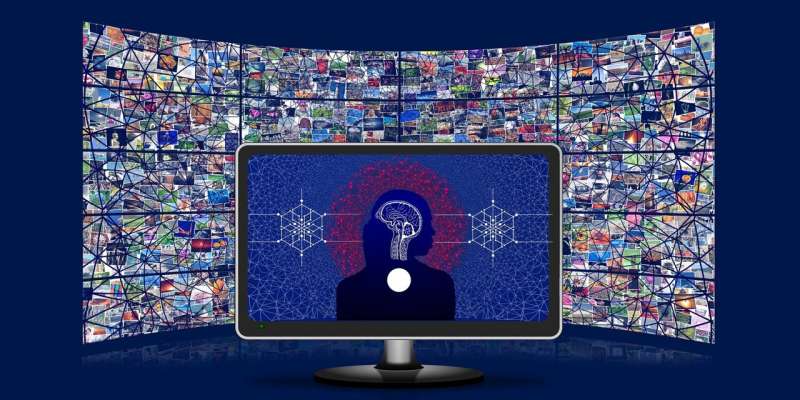
AI bias is not just an error in the algorithm, it’s a chain of human decisions

Image Credit: https://techxplore.com/

Share on FacebookShare on TwitterShare on LinkedInShare on WhatsApp

In the US, leading human resources software company Workday is facing a lawsuit over its use of AI-powered job screening tools that allegedly discriminated against applicants based on factors such as age, disability and race.

The corporation, whose hiring software is broadly used by huge employers around the world, has denied the allegations.

The case is one of many examples of AI systems alleged to have caused discriminatory harm. When AI systems replicate and expand discrimination, they blur the boundary among technical errors and systemic injustice, turning bias into digital harm.

Also Read:

Google packs Search and Gemini with new AI study tools

OpenAI slows advanced AI development after cyberattack

Apple Builds China-Specific AI Model With Alibaba Support

Why Applied AI Engineering is Replacing Traditional Model Training in 2026

And even as our first instinct might be to blame the algorithms, they don’t decide what they can generate, what safeguards are constructed into them or how a company responds when incidents of discrimination are reported. People make those calls long before an AI generates any output.

That is why technical fixes to AI systems aren’t enough. What is required is an overhaul of AI ecosystems to make sure they are more inclusive.

A wider pattern

AI systems quietly narrow who gets seen as competent, employable or fit to lead.

For example, in a 2025 study, we tested how two AI models, OpenAI’s GPT-4 (which has now been retired) and Microsoft Copilot, represented software engineers in a simulated recruitment exercise: 300 candidate profiles for 4 job roles, accompanied via recommendations and generated images of each AI model’s preferred candidates.

Both models favored male profiles, particularly for senior roles. Their images also skewed toward engineers who were younger, slimmer and lighter-skinned. The models have been reproducing associations embedded in language, imagery, employment records and assumptions about who belongs within the profession.

These outputs do not remain contained to a research study. AI-generated recommendations are entering into hiring, education and public services.

This matters when certain demographics and women remain underrepresented in AI development and leadership while being disproportionately exposed to its harms.

The issue isn’t limited to gender and race.

Even when AI systems perform throughout different languages and cultures, they often reproduce predominantly Western values, assumptions and ways of knowledge the world. Wealthy nations have become to be the main beneficiaries of AI, broadening worldwide inequality.

In other study from 2025, we manually reviewed reported AI incidents.

Almost half involved a diversity or inclusion problem, with racial, gender and age discrimination most prominent. The harms traced back to different points within the AI development lifecycle: nondiverse training data and neglected diversity and principles during design, development and deployment.

Why technical fixes are not sufficient

Technical work matters, along with bias identification, rebalancing datasets and adjusting outputs. But those fixes frequently treat bias as a property of the AI model, when much of it originates from outside the system.

Data does not enter an AI system as a neutral record of reality.

People decide what data to accumulate, how to label and categorize it, and whose reviews are essential. These decisions are formed by history, cultural norms, institutions and existing power imbalances.

Wherever society has linked leadership with men, technical skills with lighter skin or innovation with youth, AI models learn from those associations and formalize, automate and repeat them at a larger scale.

Bias also usually seems through the intersection of numerous identities, including gender, race, age, disability and class. A system that appears fair when each identity is tested separately can still disadvantage people at the intersection of numerous identities.

Building a more inclusive AI ecosystem

That’s why building a extra inclusive AI ecosystem needs interdisciplinary knowledge, including educating AI engineers about social science theories to support them understand the social origins of bias.

Inclusive AI is not about political correctness; it’s about upholding human rights, preventing harm, making sure justice and building trust.

It also needs genuine participation from affected groups and sustained attention to the power structures those systems operate within. AI development teams ought to test not just whether a model is correct, but whether its advantages, errors and harms are distributed fairly throughout different groups.

Together, this would support make sure tech businesses better understand the nature of bias as soon as it has manifested through AI and broaden new techniques or tools to minimize the harm it causes.

Organizations that adopt AI also require stronger governance to monitor how the technology behaves. This could include, for example, having someone accountable for reviewing risk and responding to incidents and monitoring systems once they are live.

Algorithms do not decide which data matter or what level of risk is acceptable. People make those choices. It’s high time tech companies remember that. The target should not simply be on fixing a biased algorithm, but instead on examining the human decisions that permitted the risk of harm and who was missing while those decisions were made.

ShareTweetShareSend
Previous Post

Workers in worry over being replaced as they adapt to the developing impact of AI on jobs

Tarun Khanna

Tarun Khanna

Founder DeepTech Bytes - Data Scientist | Author | IT Consultant
Tarun Khanna is a versatile and accomplished Data Scientist, with expertise in IT Consultancy as well as Specialization in Software Development and Digital Marketing Solutions.

Related Posts

NVIDIA Releases Nemotron 3.5 Lightning and NeMo Switchyard for More Efficient Agentic AI
Artificial Intelligence

NVIDIA Releases Nemotron 3.5 Lightning and NeMo Switchyard for More Efficient Agentic AI

August 14, 2026
Meta’s new Glimmer AI model offers a hint at Zuckerberg’s personal intelligence vision
Artificial Intelligence

Meta’s new Glimmer AI model offers a hint at Zuckerberg’s personal intelligence vision

August 12, 2026
An unreleased Anthropic model made progress on one of math’s biggest unsolved problems
Artificial Intelligence

An unreleased Anthropic model made progress on one of math’s biggest unsolved problems

August 12, 2026
Evaluating Agentic Workflows: Measuring AI Autonomy Beyond Accuracy
Artificial Intelligence

Evaluating Agentic Workflows: Measuring AI Autonomy Beyond Accuracy

August 11, 2026

Leave a Reply Cancel reply

Your email address will not be published. Required fields are marked *

80 − 72 =

TRENDING

Switzerland Private Banking Dynasty Is Tearing Itself Apart Over Crypto

Switzerland Private Banking Dynasty Is Tearing Itself Apart Over Crypto

Photo Credit: https://cryptonews.com/

by Tarun Khanna
March 23, 2026
0
ShareTweetShareSend

New approach enhances the reliability of statistical estimations

New approach enhances the reliability of statistical estimations

Photo Credit: https://news.mit.edu/

by Tarun Khanna
December 17, 2025
0
ShareTweetShareSend

Japan Finance Minister stated: Crypto Can Be a Part of Diversified Portfolio – Is Strategic BTC Reserve Coming?

Japan Finance Minister stated: Crypto Can Be a Part of Diversified Portfolio – Is Strategic BTC Reserve Coming?

Photo Credit: https://cryptonews.com/

by Tarun Khanna
August 25, 2025
0
ShareTweetShareSend

Real-World Applications Of Tableau

by Tarun Khanna
February 5, 2021
0
ShareTweetShareSend

Machine Learning Prediction Examples

Machine Learning Prediction Examples
by Tarun Khanna
January 22, 2023
0
ShareTweetShareSend

Nvidia deepens early-stage push into India’s AI startup ecosystem

Nvidia deepens early-stage push into India’s AI startup ecosystem

Photo Credit: https://techcrunch.com/

by Tarun Khanna
February 20, 2026
0
ShareTweetShareSend

DeepTech Bytes

Deep Tech Bytes is a global standard digital zine that brings multiple facets of deep technology including Artificial Intelligence (AI), Machine Learning (ML), Data Science, Blockchain, Robotics,Python, Big Data, Deep Learning and more.
Deep Tech Bytes on Google News

Quick Links

  • Home
  • Affiliate Programs
  • About Us
  • Write For Us
  • Submit Startup Story
  • Advertise With Us
  • Terms of Service
  • Disclaimer
  • Cookies Policy
  • Privacy Policy
  • DMCA
  • Contact Us

Topics

  • Artificial Intelligence
  • Data Science
  • Python
  • Machine Learning
  • Deep Learning
  • Big Data
  • Blockchain
  • Tableau
  • Cryptocurrency
  • NFT
  • Technology
  • News
  • Startups
  • Books
  • Interview Questions

Connect

For PR Agencies & Content Writers:

connect@deeptechbytes.com

Facebook Twitter Linkedin Instagram
Listen on Apple Podcasts
Listen on Google Podcasts
DMCA.com Protection Status

© 2024 Designed by AK Network Solutions

Welcome Back!

Login to your account below

Forgotten Password?

Retrieve your password

Please enter your username or email address to reset your password.

Log In
No Result
View All Result
  • Artificial Intelligence
  • Data Science
    • Language R
    • Deep Learning
    • Tableau
  • Machine Learning
  • Python
  • Blockchain
  • Crypto
  • Big Data
  • NFT
  • Technology
  • Interview Questions
  • Others
    • News
    • Startups
    • Books

© 2023. Designed by AK Network Solutions